What Ceramic Coating Actually Is
Ceramic coating is a liquid applied to your car's paint that chemically bonds to the surface as it cures. Once it sets, you can't peel it off or wash it away the way you can with wax. It becomes part of the surface itself.
Most coatings are built around silicon dioxide, the same compound found in sand and glass, sometimes paired with titanium dioxide for extra UV resistance. At a microscopic level, these molecules fill in the tiny pores of your clear coat, creating a smoother, harder, more uniform surface than the bare paint underneath.
That hardness is measurable. Quality coatings are often rated 9H on the pencil hardness scale, which is about as hard as that scale goes for this kind of product. It's why a properly coated surface resists fine scratching from regular washing in a way uncoated paint simply doesn't.
Why Water Behaves Differently After Coating
This is the part people notice first, and it's not just for show. A coated surface has very low surface energy, which means water can't spread out flat the way it does on bare paint. Instead, it pulls itself into tight beads and rolls off at the slightest tilt or movement.
The technical term is contact angle, basically how round a water droplet sits on the surface. Bare paint usually sits below 90 degrees, water spreads out. A good ceramic coating pushes that well past 100 degrees, sometimes higher. That's the difference between water sheeting flat across your bonnet and water gathering into beads that roll straight off.
What It Protects Against Day to Day
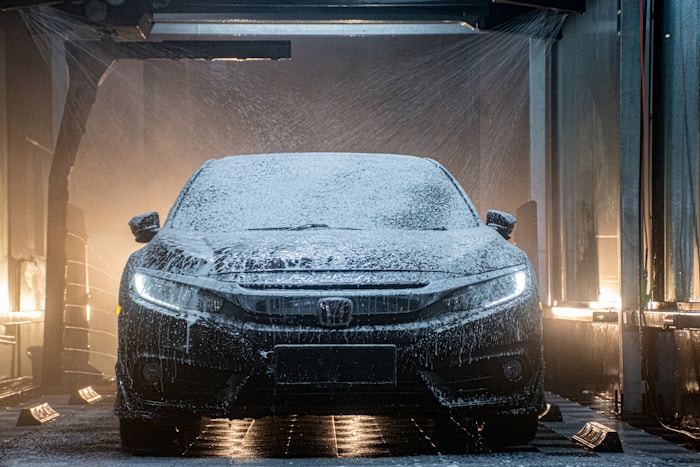
The result owners notice most isn't any single one of these things, it's how much less effort the car takes to keep clean. Dust doesn't cling the same way, a quick rinse does more work than it used to, and the gloss holds up for longer between washes.
What It Doesn't Do
Ceramic coating will not stop a stone chip, and it will not make your car immune to scratches from keys, branches, or careless contact. It's a chemical treatment, not a physical shield. Most professional coatings are only a handful of microns thick, nowhere near enough material to absorb a real impact.
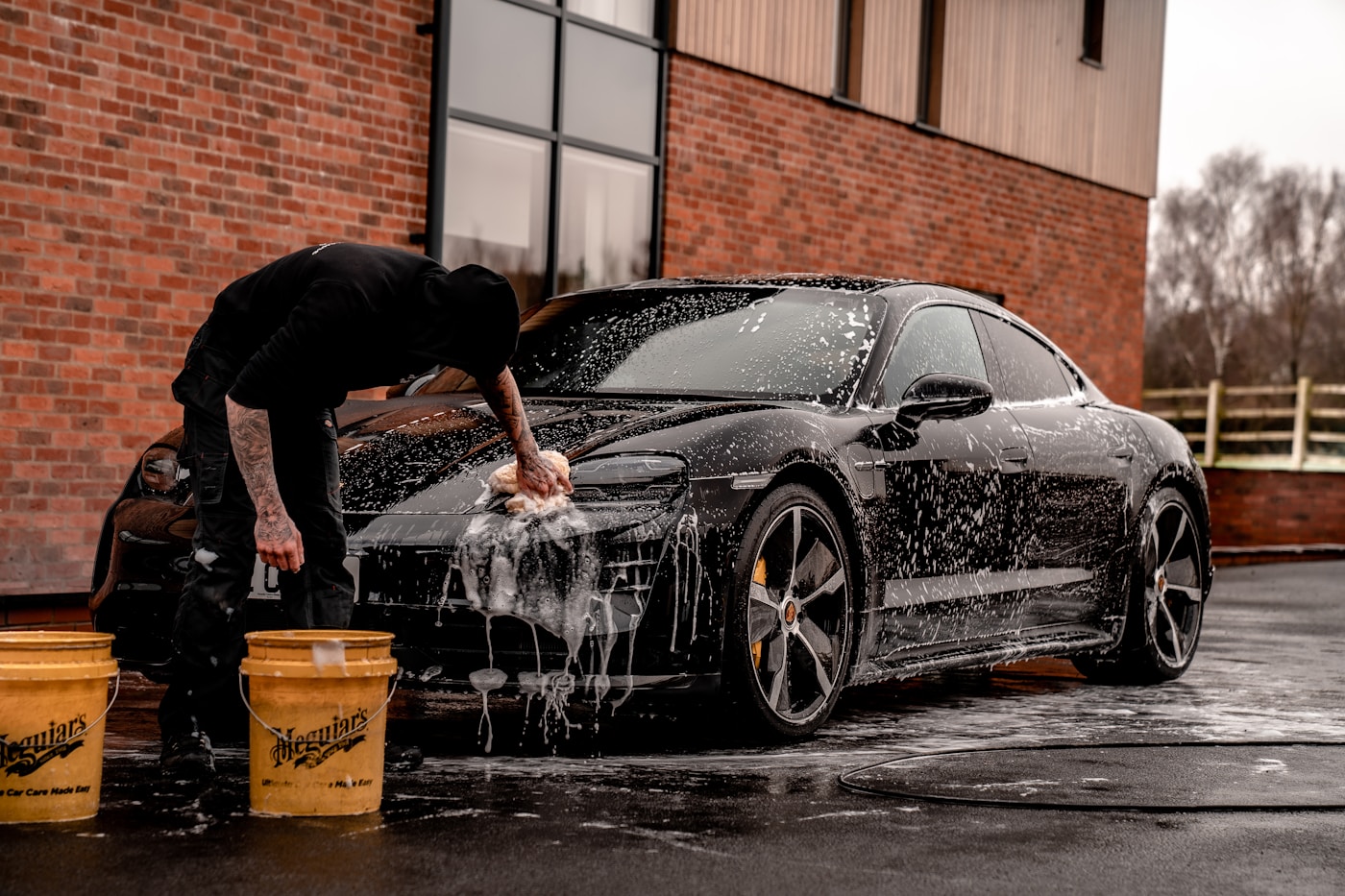
It also doesn't mean you can stop washing your car. The hydrophobic effect makes washing faster and easier, but dust and grime still land on the surface and still need to come off. Some owners expect a self-cleaning car, and that expectation is where most disappointment with ceramic coating comes from. The honest version is: easier to clean, not maintenance-free.
Why Installation Quality Decides Everything
A coating is only as good as the surface it's applied to and the conditions it's applied in. Skip the prep work or do it in a dusty, open environment, and the coating will lock in problems rather than prevent them.
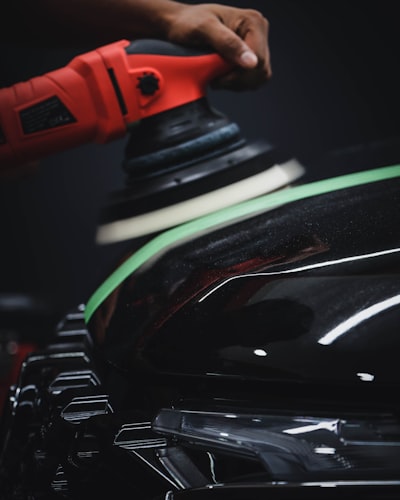
Paint correction before coating matters more than most owners expect. If swirl marks and light scratches are already in the clear coat, coating over them just seals those marks in permanently instead of fixing anything. A rushed job that skips this step is one of the most common reasons coatings disappoint people.
Application environment matters just as much. A coating cured in an open garage with dust in the air will trap that dust under the layer, where it stays for the life of the coating. This is why a controlled, enclosed studio space isn't a luxury detail, it's part of what makes the coating actually work as intended.
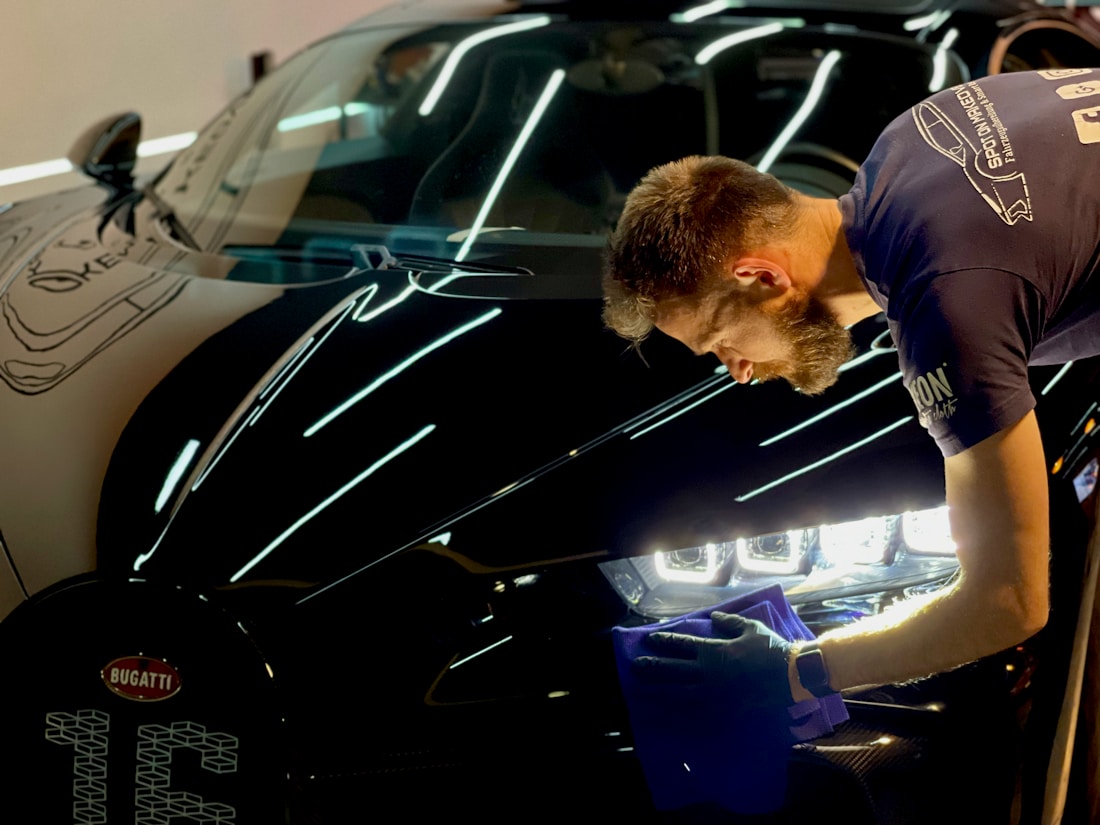
A properly cured coating should be invisible. If you can see texture or haze in the finish, something in the process went wrong.
Living With a Coated Car
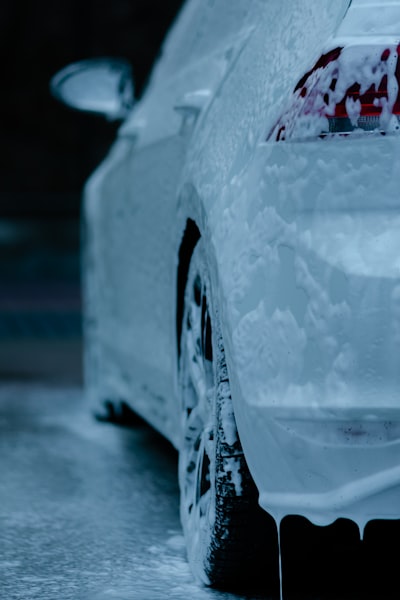
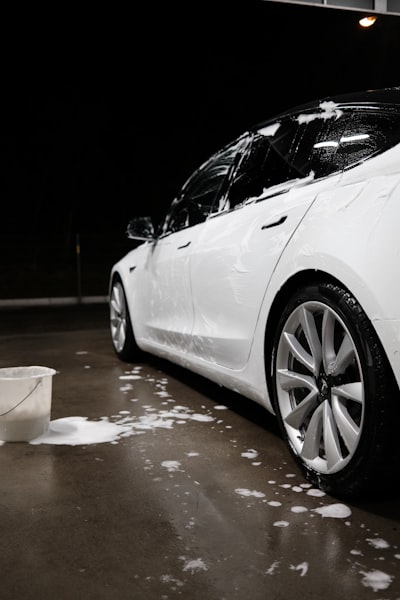
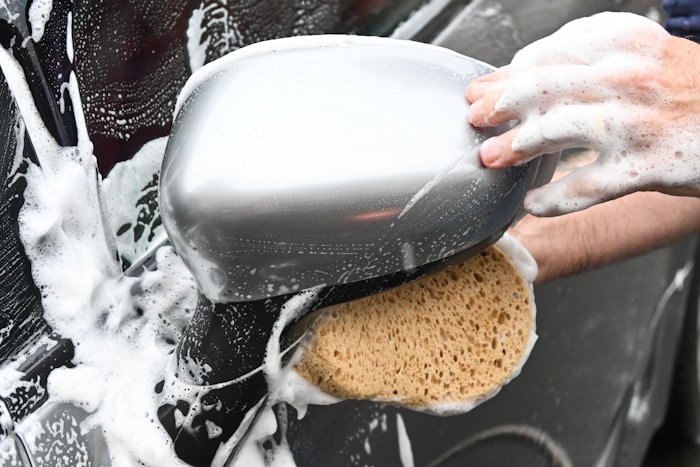
Day-to-day maintenance changes a little, in a good way. A pH-neutral shampoo and a soft wash mitt keep the coating intact for longer, while harsh degreasers and ammonia-based cleaners can wear it down faster than normal use would.
Most professional coatings last somewhere between two and five years depending on the product tier and how the car is looked after in between. Coatings don't fail all at once, the hydrophobic effect just gradually weakens, which is the usual sign it's time to think about reapplication rather than a sudden, obvious breakdown.