What Paint Protection Film Actually Is
Paint Protection Film, usually shortened to PPF, is a layer of thermoplastic polyurethane (TPU) bonded to a car's painted panels using a pressure-sensitive adhesive. That is the literal, unglamorous description, and it matters, because most of the confusion around PPF comes from treating it as a marketing product rather than what it is: a precisely engineered polymer film with a specific job.
A quality automotive PPF is built in layers, not as a single sheet of plastic. There is typically a clear top coat formulated for UV stability and scratch resistance, a thicker urethane base layer that absorbs physical impact, and an acrylic adhesive layer designed to bond permanently to clear coat without yellowing or lifting at the edges over time. Each layer does a different job, and the quality difference between a premium film like Avery Dennison and a generic film sold by weight is almost entirely in how well these layers perform together under heat, UV exposure, and repeated flexing.
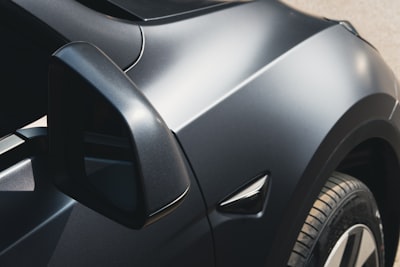
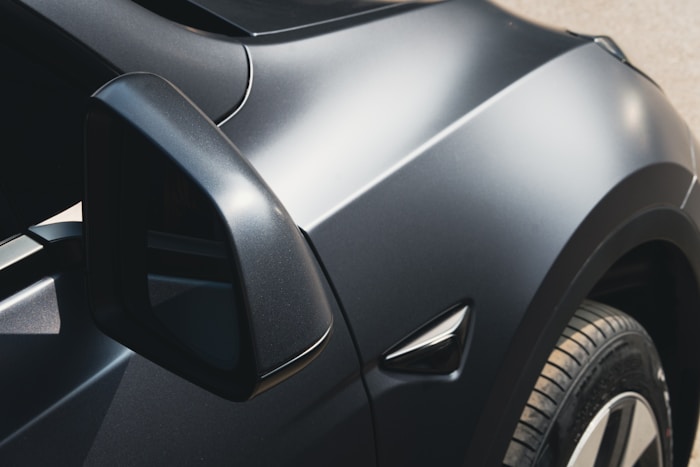
When installed correctly, PPF is close to invisible. It does not change the colour of the paint underneath, and on a well-prepped panel, the film's edges are tucked or sealed so there is no visible line where protection starts and stops.
Why Factory Paint Can't Be Restored Once It's Damaged
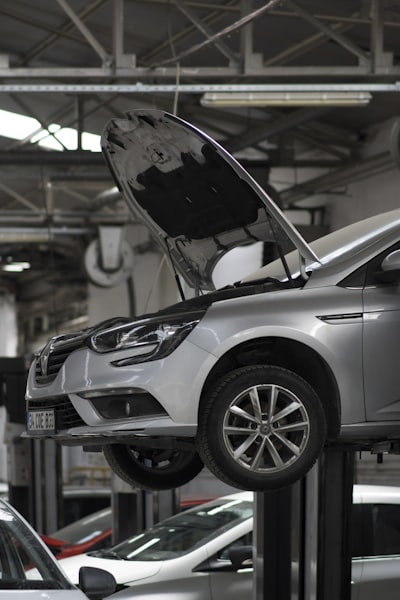
This is the part most car owners underestimate. A factory paint job is not a single coat, it is a multi-layer system applied under robotic precision, at controlled temperatures, in a contamination-free environment. There is an e-coat for corrosion resistance, a primer, a base colour coat, and a clear coat on top, each cured at a specific temperature for a specific duration before the next layer is applied.
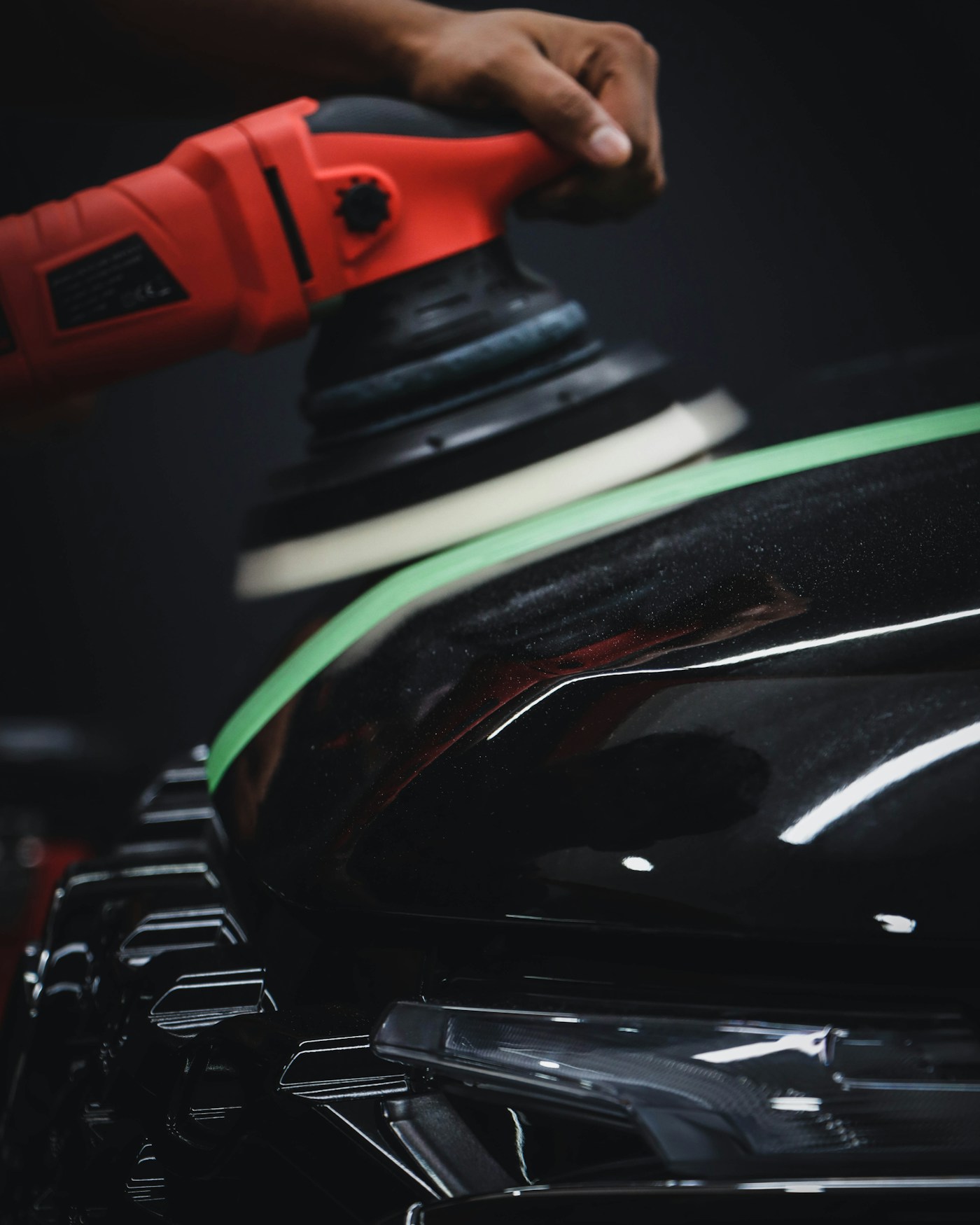
Once that system is broken, whether by a stone chip, a deep scratch, or aggressive polishing that thins the clear coat, it cannot be fully recreated. Any repaint or touch-up is applied by hand, outside the original manufacturing conditions, and it will never bond, cure, or age in exactly the way the factory finish does. This is why preventing damage carries more long-term value than repairing it. A respray can restore appearance, but it cannot restore the original paint system.
This is the central argument for PPF: it is not a cosmetic add-on, it is a way of keeping the factory paint system intact for the entire time you own the car.
India's Climate Makes the Case Stronger
The argument for PPF is universal, but it is materially stronger in India than in most markets where the technology originated. Three specific conditions compound the risk to unprotected paint here.
UV exposure. Most of India sits within a UV index range that is classified as "very high" to "extreme" for the majority of the year. Clear coat is a polymer, and like most polymers, UV radiation breaks down its molecular structure over time, this is what causes oxidation, fading, and the chalky look on neglected paint. Without protection, this process accelerates significantly faster under Indian sun exposure than in temperate climates.
Monsoon acid rain. Urban pollution mixes with monsoon rainfall to create rainfall with a measurably lower pH than clean rain. Left to dry on paint, this leaves etching marks that are very difficult to polish out once they have bonded to the clear coat.
Road debris and construction dust. Indian roads, even well-maintained highways, carry a higher density of loose stone, gravel, and construction debris than equivalent roads in markets where PPF first became mainstream. Stone chip damage on the front bumper, bonnet, and mirror caps is one of the most common reasons car owners seek paint correction within the first year of ownership.
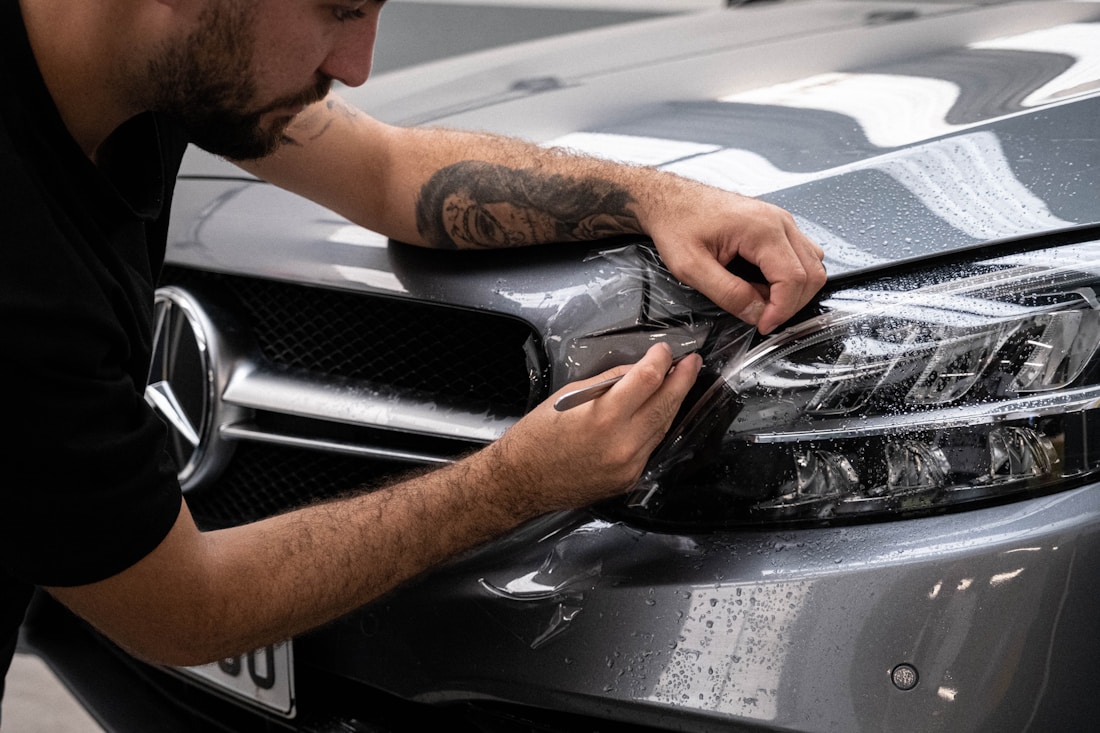
A heat gun softens the film so it conforms to compound curves, bumpers and mirror caps require this step to avoid stretching or lifting at the edge.
How Self-Healing Film Actually Works
"Self-healing" is one of the most misunderstood terms in paint protection. It does not mean the film repairs deep cuts or torn sections, it refers specifically to the top coat's ability to recover from light marring: fine swirls, light wash-induced scratches, and minor surface marks.
The mechanism is thermal. The top coat of quality PPF is formulated with a polymer structure that has "memory", when heated, the molecular chains relax back toward their original, undamaged shape. This is why a light scratch on PPF can disappear after a few minutes in direct sun, or faster with warm water or a heat gun, while the same scratch on bare clear coat is permanent until it's polished or repainted.
It will not reverse a deep scratch that has cut through the film's thickness, and it will not undo damage from a stone chip with real impact force. Self-healing addresses surface-level marring, the kind that accumulates from regular washing, light brushing against branches, or shopping trolleys, not structural damage.
The Installation Process, Step by Step
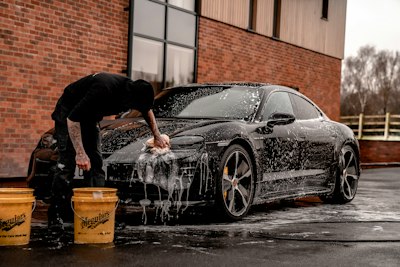
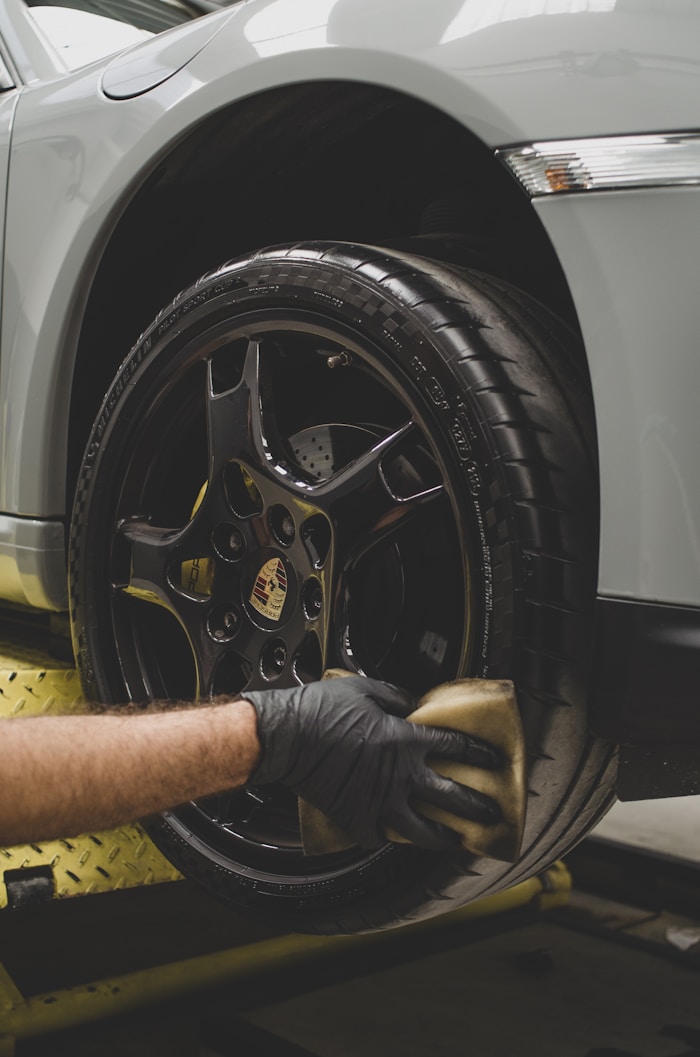
Installation quality is the single biggest variable in how well PPF performs over its lifetime. The same film, installed poorly, will lift at the edges, trap dirt underneath, or yellow prematurely. Installed correctly, it should be nearly undetectable.
The Economics: Cost Against Resale Value
PPF is a real upfront cost, and it is reasonable for an owner to weigh that against what it actually returns. The clearest way to evaluate it is to compare it not against doing nothing, but against the realistic alternative: paying for paint correction and touch-up work later, on a less favourable timeline, with a worse end result.
A single stone chip repaired professionally, including blending into the surrounding panel, typically costs a meaningful fraction of what PPF on that same panel would have cost. That is before accounting for the fact that a respray panel rarely matches the factory finish exactly under close inspection. Multiply that across the life of ownership: most owners report several stone chips and at least one significant scratch within the first three years on Indian roads, and the cost comparison shifts considerably.
There is also a resale dimension. Buyers evaluating a used premium vehicle increasingly check for PPF history, and a car with documented, well-maintained PPF coverage on high-impact panels signals to a buyer that the factory paint underneath is genuinely original, not corrected, not resprayed. That distinction matters more in the premium and luxury segment than almost anywhere else in the used car market.