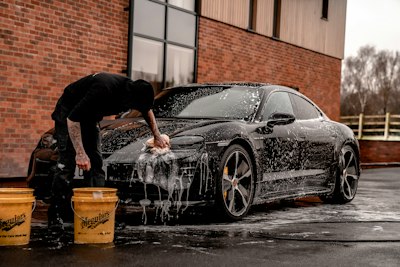
Home / Blog / PPF vs Ceramic Coating
Paint Protection Film

PPF vs Ceramic Coating: Which One Does Your Car Need?

People ask this question constantly, and most answers make it sound more complicated than it is. Here is a simple, honest look at what each one really does, where each one falls short, and how to pick the right one for your car.

WT
Washkr Team
Expert Detailers
Updated June 19, 2026
7 min read
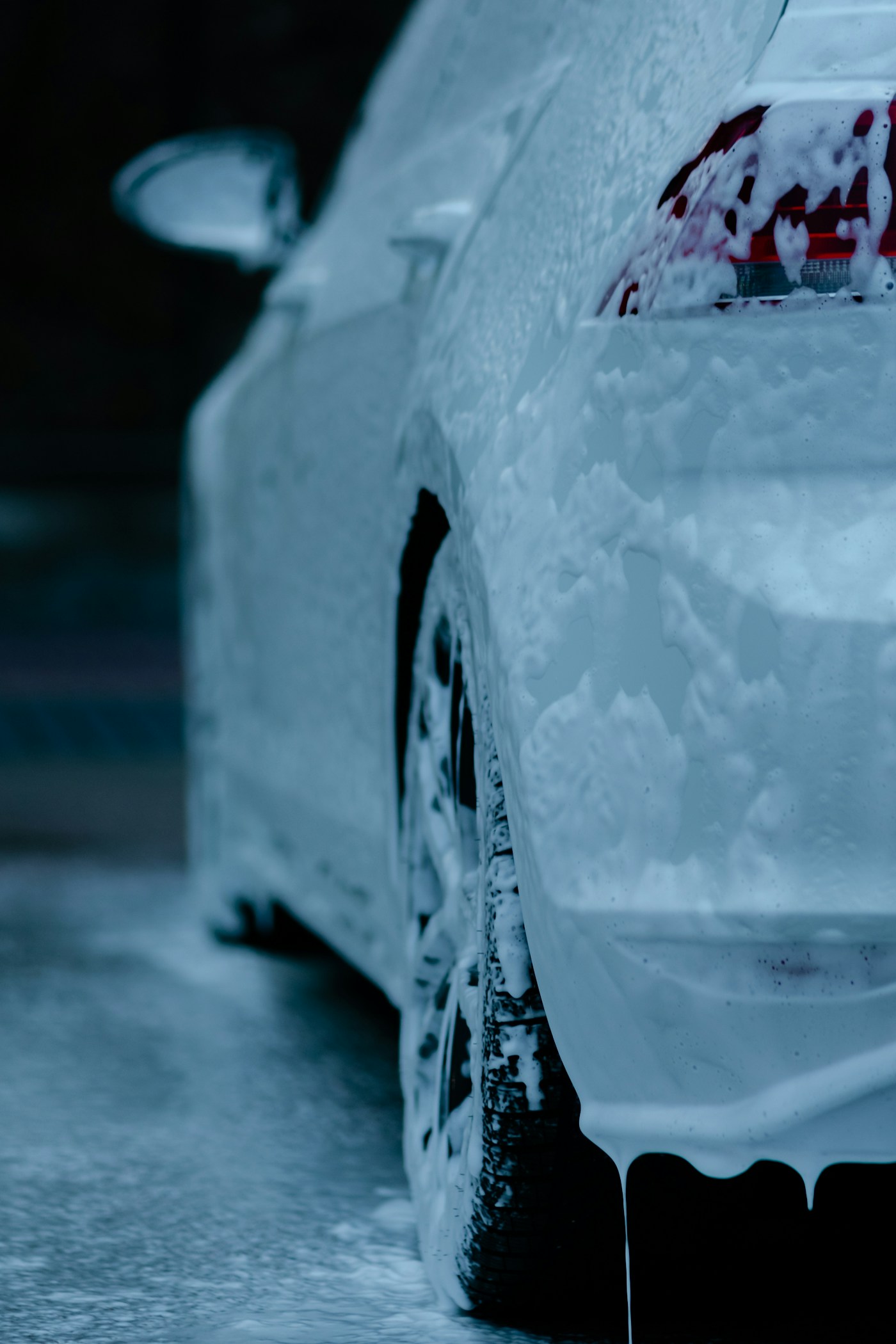
A car finished with water beading on the surface after a wash

Two protection methods, one car. The trick is knowing which job each one is actually built for.

01

What's the Real Difference?

A lot of car owners assume PPF and ceramic coating are just two versions of the same thing, one expensive, one cheap. They're not. They do completely different jobs, and that's really the only thing you need to understand before deciding which one your car needs.

Think of PPF as a clear film you stick onto the car. It's thick enough to feel with your fingernail, and its whole job is to take a hit so your paint doesn't have to.

Ceramic coating works the opposite way. It's a liquid that soaks into the top of your paint and hardens there. You can't feel it, you can barely see it, but it changes how water, dirt, and sunlight interact with the surface underneath.
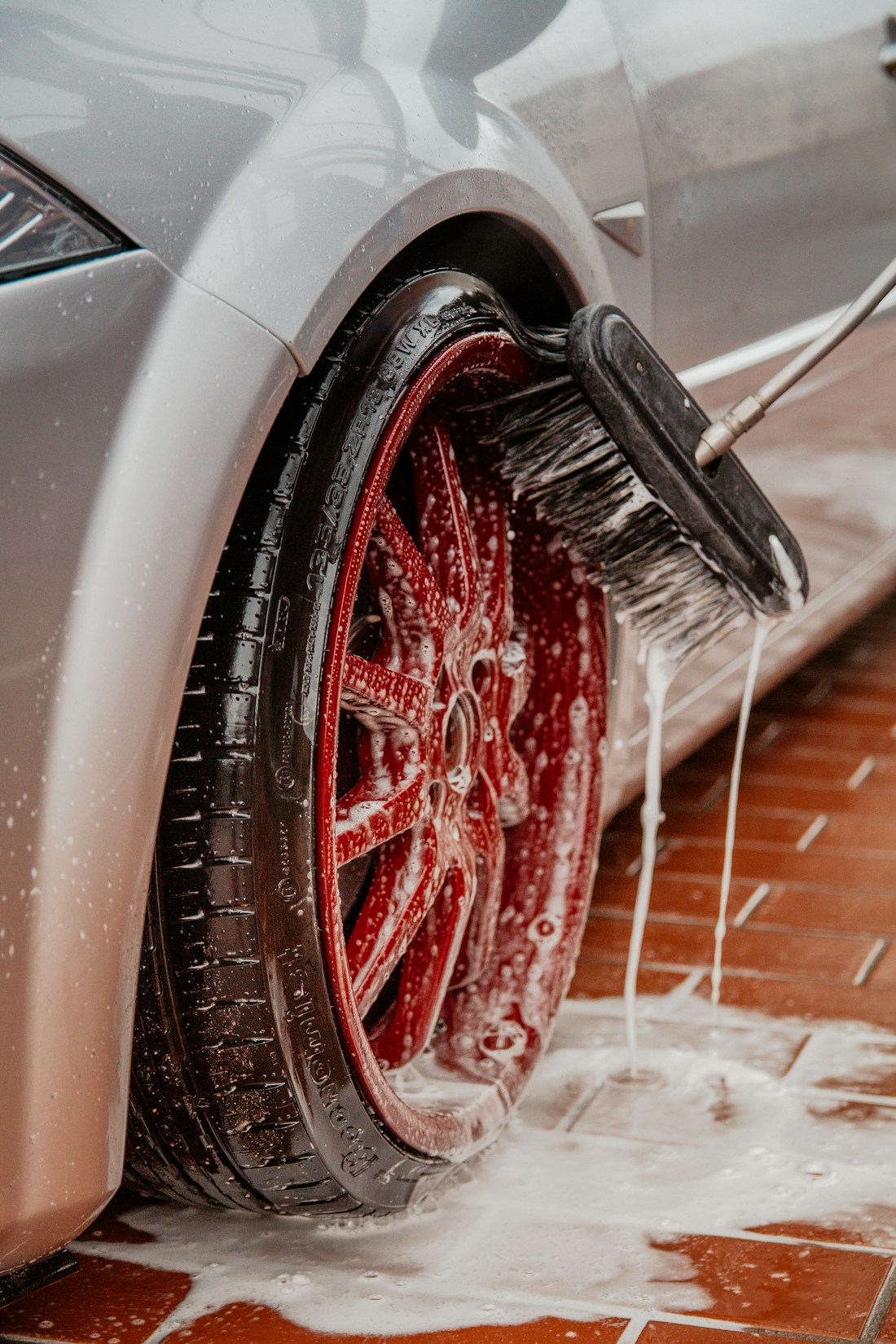
Close-up of a wheel being cleaned during a car wash

Neither product replaces good basic care, washing and drying properly still matters either way.

One sits on top of your paint like armour. The other soaks in and changes how the surface behaves. That's the whole story.
02

What PPF Is Good At

If something physically hits your car, a stone on the highway, a branch in a parking lot, a careless trolley, PPF is what stops that from turning into a scratch or a chip. It's built to take the damage itself.

01
Stone chips. By far the most common paint damage on Indian roads, and the one thing ceramic coating cannot stop.
02
Scratches and scrapes. Branches, gates, careless parking, the film takes it instead of your paint.
03
Small scuffs that heal themselves. Good films shrug off light marks with a bit of warm water or sunlight.

Where it falls short: PPF won't make your car shinier, and it won't make rain bead off the way a coated car does. It's protection, not polish.

03

What Ceramic Coating Is Good At

In short

Ceramic coating makes your car easier to keep clean and tougher against sun, rain, and everyday grime. It doesn't stop a stone chip.

Once it's applied and cured, water stops sitting flat on your car and starts beading up and rolling off instead, usually taking dust and light dirt with it. That's the part most owners notice first.

It also helps with things that build up slowly: sun fading, bird droppings that etch into paint if left too long, and the kind of acidic monsoon rain that leaves marks if a car isn't washed soon after. None of that needs a thick film to fix, it needs a surface that doesn't let those things stick around.

The trade-off is straightforward. A coating is thin, so it can't absorb a real impact. A stone that would've bounced off PPF will still chip a coated car. Coating protects the surface chemically, not physically.
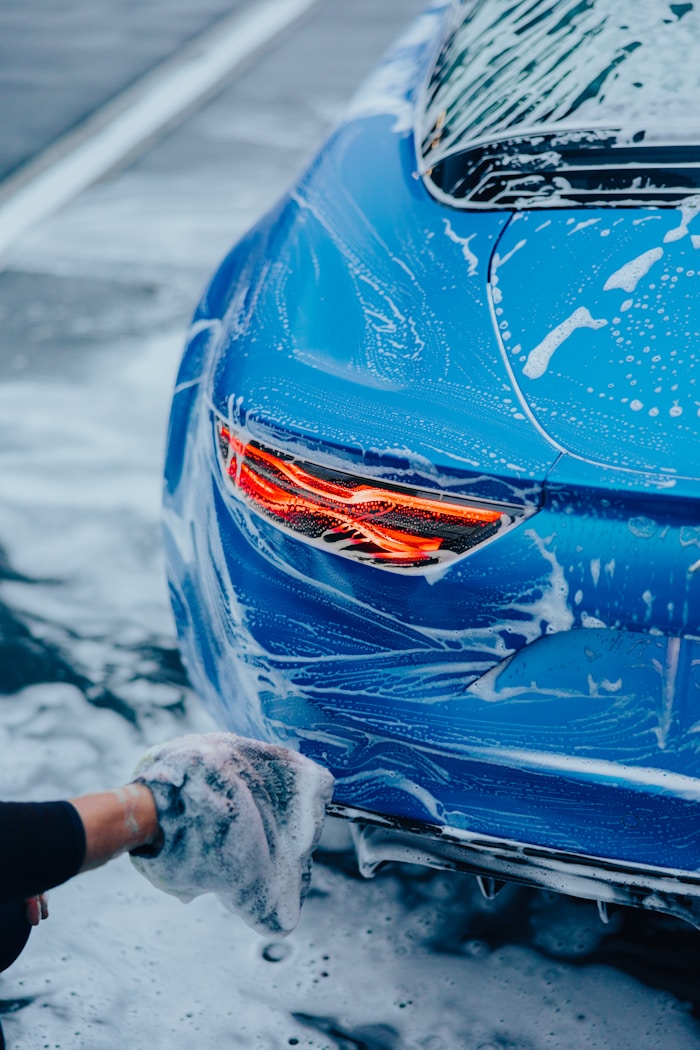
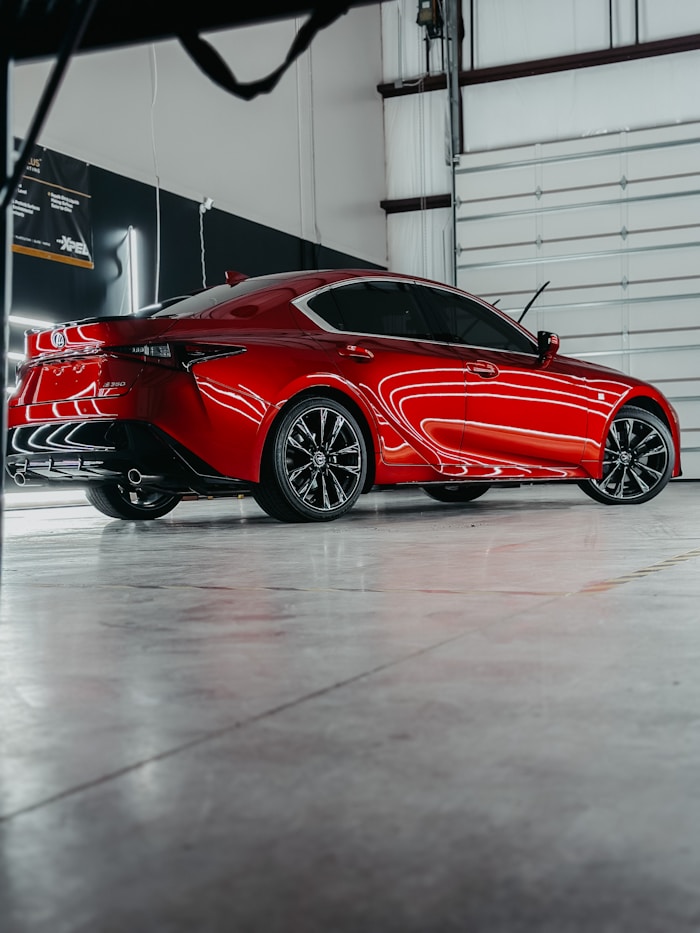
A person hand washing a car with a microfibre cloth
A car finished and parked inside a clean garage
04

Quick Comparison

If you only remember three numbers from this whole article, make it these.

Much Thicker
PPF has real, feel-it thickness. Ceramic coating is paper-thin by comparison.
7 to 10 yrs
How long good PPF lasts, versus 2 to 5 years for most ceramic coatings.
2 to 4x Cost
Full PPF coverage typically costs several times more than full ceramic coating.

In rupee terms, ceramic coating packages usually land somewhere between ₹15,000 and ₹45,000. PPF, priced by how much of the car it covers, runs from around ₹50,000 for just the front end up past ₹2,00,000 for a full-body job on a larger car. The film simply costs more to make and more time to install, so the price reflects that.

05

So Which One Should You Pick?

Ask yourself one question: what actually worries you about your car?

If it's stone chips on the highway, or you're already seeing little nicks on the bonnet and bumper, that's a PPF problem. No amount of coating fixes that, because coating was never built to stop an impact.

If your worry is more about keeping the car looking clean, glossy, and easy to wash, ceramic coating gets you there for a lot less money. Most city-driven, garage-kept cars do perfectly well with just a good coating.

There's no universally "better" option here, only a better fit for how you actually drive.
06

Can You Use Both Together?

Yes, and most detailers will actually suggest exactly that if your budget allows it.

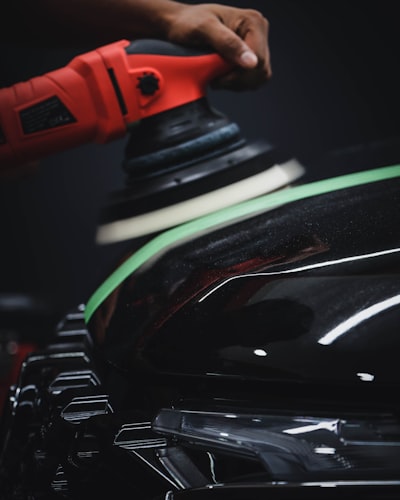
The usual approach is PPF first, on the panels that take the most hits, the bonnet, bumper, fenders, and mirrors. Then ceramic coating goes over the entire car, including right on top of the film. You end up with real impact protection where you need it most, plus the easy-clean, glossy finish everywhere else.

It also fixes the one thing PPF alone isn't great at. Film without a coating on top tends to attract dirt and water spots a bit faster than a coated surface would. Adding ceramic on top solves that.
07

Common Questions

Can I put ceramic coating on top of PPF? +
Yes, this is actually one of the most common setups. The coating sits on top of the film just like it would on bare paint, adding shine and easier cleaning without affecting the film's ability to absorb impacts or heal small scratches.
I can only afford one right now. Which should I choose? +
Think about your driving. Lots of highway or rough-road driving means PPF on the front of the car is the smarter first step, since stone chips are expensive to fix properly. Mostly city driving with the car parked safely means ceramic coating gives you more value for less money.
Does ceramic coating stop scratches? +
It helps with very light marks from washing, but not real scratches. Since the coating is so thin, a key, a branch, or anything with actual force behind it will still mark the paint underneath. This is the most common misunderstanding people have about ceramic coating.
Which one lasts longer? +
PPF usually outlasts ceramic coating by a fair margin. A good film can last seven to ten years, while most ceramic coatings need redoing somewhere between two and five years, depending on the product and how well the car is looked after.
Which one helps more when reselling the car? +
PPF tends to matter more here, since a documented history of film coverage tells a buyer the paint underneath was never chipped or touched up. Ceramic coating mainly affects how clean and glossy the car looks on the day you sell it, not the actual condition of the paint.
Not sure which one your car needs?
Washkr offers both Avery Dennison PPF and professional ceramic coating, applied separately or together by certified technicians in a climate-controlled studio.
Book a Free Consultation
Paint Protection Film Ceramic Coating Avery Dennison Car Care Comparison Resale Value India Car Care 2026
0 views
WT
Washkr Team
Expert Detailers
Our certified technicians specialise in PPF, ceramic coating, Icon Rocklear, and premium steam wash, protecting cars across India with internationally trusted products and documented installation standards.
Discussion 0
Sort:
Share your experience or ask a question
Rate this article: